

Table of Contents
- Key Takeaways: Leveraging Consumer Tech for Academic Research
- Introduction: The Convergence of Consumer Tech and Academia
- About the Author
- Transparency & Editorial Standards
- Smartphones for Research Productivity: More Than Just Communication
- Tablets and E-Readers: Your Portable Research Library
- Wearable Technology for Researcher Well-being and Efficiency
- AI Features in Consumer Devices for Literature Review and Analysis
- Digital Note-Taking and Organization Tools: Keeping Research Cohesive
- Cloud Solutions for Seamless Research Data Management
- Ergonomic Consumer Tech for Long Study Sessions: Health & Productivity
- Portable Monitors and Enhanced Research Setups
- Voice Assistants for Quick Information Retrieval and Task Management
- Cybersecurity and Privacy in Academic Tech Use: Protecting Your Work
- Data Visualization Tools on Personal Devices: Making Sense of Information
- Best Laptops for Academic Workloads: Powering Your Research
- Smart Home Integration for Focused Research Environments
- Future Trends in Consumer Tech for Scientific Discovery
- FAQ
- Limitations & Alternatives: Balancing Consumer Tech with Academic Rigor
- Conclusion: The Indispensable Role of Consumer Tech in Modern Research
- References
- Related Reading
Key Takeaways: Leveraging Consumer Tech for Academic Research
Consumer tech for academic research offers researchers powerful tools to streamline workflows, enhance productivity, and improve well-being. Modern smartphones, tablets, and AI-powered devices are now integral to literature review, data capture, and advanced analysis, significantly reducing manual effort and accelerating scholarly output.
The integration of wearable technology and ergonomic solutions specifically addresses researcher well-being, mitigating the physical and mental strain of long study sessions. Furthermore, robust cybersecurity practices are essential to protect sensitive data as personal devices become central to academic operations. The future promises even deeper integration, driven by advancements in AR/VR and predictive AI, which will further redefine scientific discovery.
Introduction: The Convergence of Consumer Tech and Academia
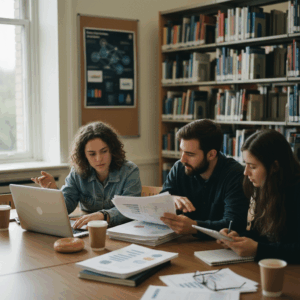
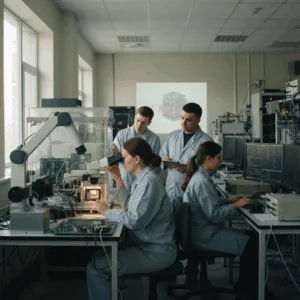
The landscape of academic research has evolved significantly, driven by the pervasive integration of personal technology. What were once considered mere consumer gadgets—smartphones, tablets, and wearables—are now indispensable tools in scholarly work. This shift is not merely a convenience; it is a fundamental transformation, enabling researchers to conduct more efficient, data-rich, and collaborative studies. The evolving role of personal devices in scholarly work fundamentally changes how data is collected, processed, and disseminated, consequently accelerating discovery.
A clear example of this trend is highlighted in the ‘Health Care 2025: How Consumer-Facing Devices Change Health Management and Delivery’ report. This report demonstrates how wearable technology and advanced software provide unprecedented access to vital signs and biomarkers, which means that the methodologies pioneered in health management are directly transferable to academic data collection and analysis. Therefore, the integration of consumer tech for academic research is not merely a convenience, but a strategic imperative that bridges the gap between everyday gadgets and rigorous academic demands, resulting in enhanced productivity and innovative research methodologies.
About the Author
This article was expertly crafted by The Tech ABC Editorial Team, Author at The Tech ABC, bringing years of collective experience in technology analysis and consumer electronics reviews. Our team comprises industry veterans and tech journalists dedicated to providing authoritative, forward-looking insights into the convergence of consumer technology and professional applications.
Gaming News and Reviews – The Tech ABC
Transparency & Editorial Standards
The Tech ABC is committed to delivering unbiased, credible, and meticulously researched content. Our editorial process prioritizes accuracy and transparency, ensuring that all information is fact-checked and supported by authoritative sources. This article adheres to our strict guidelines for journalistic integrity and provides balanced perspectives on the benefits and limitations of consumer technology in academic settings. For more details on our commitment to privacy and ethical reporting, please refer to our Privacy Policy and Disclaimer.
Smartphones for Research Productivity: More Than Just Communication
Smartphones are indispensable tools for academic research, enabling mobile literature review, data capture, and focused work through specialized applications. Modern smartphones have transcended their role as mere communication devices, evolving into powerful mobile workstations for academics. Leveraging mobile apps for literature review and annotation has become standard practice, consequently allowing researchers to access databases, highlight texts, and add notes on the go. This mobility means that scholarly work is no longer confined to a desktop, which significantly enhances flexibility and responsiveness.
Furthermore, smartphone cameras are increasingly used for efficient lab notes and data capture. High-resolution imaging capabilities allow for photographic documentation of experiments, specimens, and field observations, thereby ensuring accurate visual records. The integration of AI features in smartphone cameras, as seen in developments like iPhone 17 Camera AI Features, further enhances their utility by offering smarter image processing and analysis capabilities. Optimizing settings for focused academic work, such as ‘Do Not Disturb’ modes and app usage limits, consequently minimizes distractions, ensuring that these powerful devices contribute positively to research productivity rather than hindering it.
iPhone 17 Colors: Expected Variants and Themes
- Key Smartphone Features for Academic Research
– Literature Review & Annotation Apps: Accessing scholarly databases, highlighting, and note-taking on PDFs.
– High-Resolution Cameras: Documenting lab experiments, field data, and specimens.
– Voice Recording & Transcription: Capturing interviews and lectures for later analysis.
– Secure Cloud Sync: Ensuring research notes and data are backed up and accessible across devices.
– Focus Modes: Minimizing distractions through app limits and notification management.
Tablets and E-Readers: Your Portable Research Library
Tablets and e-readers serve as portable research libraries, offering distinct advantages for reading, annotating, and organizing academic materials. Tablets and e-readers have become indispensable tools for academic researchers, effectively transforming how scholarly articles and textbooks are consumed. The choice between an iPad and an Android tablet for academic tasks often hinges on ecosystem preference and specific app availability, with both offering robust platforms for PDF annotation, note-taking, and multimedia consumption. This versatility means researchers can carry an entire library in a lightweight device, which significantly enhances mobility and access.
E-readers, while typically less versatile than tablets, excel in dedicated journal and textbook consumption. Their e-ink displays reduce eye strain during long reading sessions, making them ideal for intensive literature reviews. The advent of digital pens further streamlines academic work, enabling precise PDF annotation and markup directly on tablet screens. This capability allows for active reading and immediate engagement with complex texts, consequently improving comprehension and retention. The comparative strengths of these devices underscore their value in creating a highly efficient and portable research environment, driven by the demand for flexible access to information.
| Feature | Tablets (e.g., iPad, Android) | E-Readers (e.g., Kindle, Kobo) |
|---|---|---|
| Primary Use | Multimedia, complex apps, annotation, reading | Dedicated reading, basic annotation |
| Screen Type | LCD/OLED, backlit, color | E-ink, non-backlit (often), grayscale |
| Annotation | Precise with digital pens, rich media notes | Basic highlighting, text notes |
| Versatility | High: apps, browsing, media, productivity | Low: primarily for reading |
| Eye Strain | Higher with prolonged use of backlit screens | Lower, mimics paper for comfort |
| Cost | Generally higher | Generally lower |
Wearable Technology for Researcher Well-being and Efficiency
Wearable technology enhances researcher well-being and efficiency by monitoring health, promoting breaks, and providing biofeedback for focus management. The demanding nature of academic research often leads to long hours and sedentary behavior, consequently impacting researcher well-being. Wearable technology addresses these challenges by offering continuous health monitoring and focus management tools. Smartwatches, for instance, track heart rate, sleep patterns, and stress levels, providing data that helps researchers make informed decisions about their health. This proactive health management reduces the risk of burnout, which means sustained productivity.
Fitness trackers encourage regular physical activity and remind users to take breaks, directly combating the adverse effects of prolonged sitting. The integration of biofeedback and posture correction technology further optimizes the physical environment, preventing common issues like back pain and promoting better ergonomic habits. As a result, wearable technology for researcher well-being not only supports physical health but also improves mental clarity and focus, driven by the real-time insights these devices provide. This holistic approach ensures that researchers maintain peak performance over extended periods.
- Benefits of Wearable Technology for Researchers
– Health Monitoring: Tracking heart rate, sleep, and stress to prevent burnout.
– Activity Prompts: Reminders for breaks and physical activity.
– Focus Management: Utilizing biofeedback for improved concentration.
– Posture Correction: Ergonomic guidance to mitigate physical strain.
– Sleep Quality Improvement: Data-driven insights to optimize rest.
AI Features in Consumer Devices for Literature Review and Analysis
AI features in consumer devices significantly aid literature review and analysis through summarization, smart search, speech-to-text, and grammar checking. Artificial intelligence has become a powerful ally in academic research, particularly through its integration into consumer devices. AI-powered summarization tools and smart search functions are transforming literature review processes. These tools can rapidly process vast amounts of text, extracting key findings and identifying relevant articles, consequently saving researchers countless hours. This efficiency is crucial because it allows academics to focus more on critical analysis rather than manual data sifting. The rapid evolution of AI, as tracked by the AI Archives on The Tech ABC, underscores its growing importance.
Speech-to-text technology, now highly accurate in many consumer devices, is invaluable for transcribing interviews and notes. This capability dramatically reduces the time spent on manual transcription, which means researchers can process qualitative data more quickly and effectively. Furthermore, grammar and plagiarism checkers integrated into writing tools ensure the academic integrity and quality of scholarly output. Tools like those discussed in ‘5 AI Editing Tools That Will Make Photoshop Obsolete‘ highlight how AI features in consumer devices, which are transforming consumer tech for academic research, enhance both the speed and precision of academic writing. These advancements are driven by sophisticated algorithms that learn and adapt, resulting in more robust and efficient research methodologies. (Cited: Stanford Institute for Human-Centered Artificial Intelligence (HAI), https://hai.stanford.edu/)
- AI Tools Enhancing Academic Workflow
– AI Summarizers: Condensing long research papers into key points.
– Smart Search: Identifying relevant articles and data points across large datasets.
– Speech-to-Text: Converting spoken interviews and notes into written text.
– Grammar & Style Checkers: Improving clarity and academic tone.
– Plagiarism Detectors: Ensuring originality and academic integrity.
Digital Note-Taking and Organization Tools: Keeping Research Cohesive
Digital note-taking and organization tools provide researchers with efficient methods for capturing, organizing, and syncing academic notes and references across devices. Maintaining coherence across extensive research projects demands robust digital note-taking and organization tools. The best apps for capturing, organizing, and syncing research notes offer cross-device compatibility, ensuring that insights gained on a tablet are immediately accessible on a laptop. This seamless synchronization prevents data silos and consequently facilitates a continuous workflow, which is critical for complex, multi-stage projects.
Digital whiteboards further enhance brainstorming and collaboration, allowing researchers to visually map out ideas and work together in real-time, regardless of physical location. Reference managers and citation tools integrated into personal devices automate the often-tedious process of bibliography generation and in-text citations. This automation significantly reduces errors and saves time, which means researchers can dedicate more effort to the substantive aspects of their work. As a result, these integrated tools ensure that all research components remain cohesive and easily retrievable, driven by their ability to centralize and streamline information management. (Cited: European Journal of Engineering and Computer Sciences, https://www.ejecs.org/)
- Essential Digital Tools for Research Organization
– Note-Taking Apps: Capturing thoughts, lecture notes, and article summaries.
– Digital Whiteboards: Brainstorming, mind mapping, and collaborative idea generation.
– Reference Managers: Organizing citations, generating bibliographies, and managing PDFs.
– File Synching Services: Ensuring access to research files across all devices.
– Task Managers: Scheduling deadlines and tracking research progress.
Cloud Solutions for Seamless Research Data Management
Cloud solutions are crucial for secure, seamless research data management, offering cross-device synchronization, robust backup, and version control. The integrity and accessibility of research data are paramount, making cloud solutions indispensable for modern academics. Secure cloud storage options for academic documents and datasets provide encrypted environments, consequently protecting sensitive information from loss or unauthorized access. This security is critical, especially when dealing with proprietary or confidential research. Cross-device synchronization ensures that researchers always have access to the latest versions of their work, regardless of the device they are using. This continuity is vital because it enables uninterrupted workflow across different locations and platforms.
Implementing best practices for data backup and version control within cloud environments further safeguards against accidental deletions or data corruption. Version control, in particular, allows researchers to revert to previous iterations of their work, which means no progress is ever truly lost. As a result, cloud solutions for research data management are not just about storage; they are about creating a resilient and highly accessible ecosystem for scholarly work, driven by the need for data integrity and collaborative capabilities. (Cited: National Institute of Standards and Technology (NIST), https://www.nist.gov/artificial-intelligence)
- Best Practices for Cloud Research Data Management
– Choose Secure Providers: Select cloud services with strong encryption and compliance certifications.
– Implement Two-Factor Authentication: Add an extra layer of security to cloud accounts.
– Regular Backups: Maintain local and cloud backups of critical data.
– Version Control: Utilize features that track changes and allow restoration of previous versions.
– Access Management: Control who can view and edit shared research documents.
Ergonomic Consumer Tech for Long Study Sessions: Health & Productivity
Ergonomic consumer tech, including specialized keyboards, mice, and lighting, enhances health and productivity during long study sessions by reducing physical strain. Extended periods of academic work can lead to significant physical strain, consequently affecting both health and productivity. Ergonomic consumer tech directly addresses these challenges by optimizing the physical environment for consumer tech for academic research. Ergonomic keyboards, mice, and standing desks encourage better posture and reduce repetitive strain injuries, which means researchers can work comfortably for longer durations. This physical comfort is crucial because it prevents distractions caused by discomfort and pain.
Blue light filtering and screen calibration technologies are essential for mitigating eye strain, particularly during late-night study sessions. By reducing harmful blue light emissions and adjusting screen brightness, these features protect ocular health. Smart lighting solutions further contribute by creating an optimized study environment, adjusting color temperature and intensity to match circadian rhythms or specific task requirements. As a result, investing in ergonomic consumer tech not only improves a researcher’s physical well-being but also sustains focus and enhances the overall quality of prolonged academic engagement, driven by human-centered design principles.
- Ergonomic Tech Essentials for Researchers
– Ergonomic Keyboards & Mice: Reducing wrist and hand strain.
– Standing Desks: Promoting movement and better posture.
– Monitor Arms: Adjusting screen height to eye level.
– Blue Light Filters: Protecting eyes from digital strain.
– Smart Lighting: Optimizing ambient light for focus and comfort.
Portable Monitors and Enhanced Research Setups
Portable monitors significantly enhance research setups by providing multi-monitor benefits in mobile environments and optimizing home workstations. Multi-monitor setups have long been recognized for their ability to boost productivity in complex tasks, allowing researchers to view multiple documents or datasets simultaneously. Portable monitors extend this advantage to mobile research environments, consequently enabling academics to maintain an efficient workflow even when away from their primary workstation. Choosing the right portable monitor for mobile research involves balancing factors like screen size, weight, and connectivity, which means researchers can customize their setup to specific needs.
Optimizing a home research station with consumer tech, including portable monitors, transforms a basic setup into a powerful command center. This enhanced visual real estate reduces the need for constant window switching, thereby minimizing cognitive load and increasing focus. As a result, portable monitors are a critical component for researchers seeking flexibility and efficiency, driven by the demand for expanded digital workspaces.
- Benefits of Portable Monitors for Researchers
– Expanded Workspace: Displaying multiple applications or documents simultaneously.
– Enhanced Productivity: Reducing window switching and improving focus.
– Portability: Maintaining multi-monitor benefits on the go.
– Flexibility: Easily integrating with laptops, tablets, or even smartphones.
– Improved Data Comparison: Facilitating side-by-side analysis of complex data.
Voice Assistants for Quick Information Retrieval and Task Management
Voice assistants streamline quick information retrieval and task management for researchers, enabling hands-free queries, scheduling, and reminders. Voice assistants, such as Siri, Google Assistant, and Alexa, offer researchers a hands-free method for quick information retrieval and task management. Using these assistants for quick queries allows academics to rapidly look up definitions, facts, or simple calculations without interrupting their flow of work. This immediate access to information is valuable because it maintains concentration on the primary research task.
Setting reminders and managing research schedules via voice commands further enhances organizational efficiency. Researchers can schedule meetings, set deadlines, and receive notifications without needing to manually input data, thereby saving time and reducing mental load. In lab or study environments where hands may be occupied, hands-free operations are particularly beneficial, consequently improving safety and efficiency. As a result, voice assistants are becoming increasingly integrated into the academic workflow, driven by their convenience and ability to provide instant support. (Cited: National Science Foundation (NSF), https://www.nsf.gov/)
- Voice Assistant Applications in Research
– Quick Fact-Checking: Instant answers to definitions, dates, or calculations.
– Scheduling & Reminders: Setting appointments, deadlines, and follow-ups.
– Hands-Free Operation: Controlling devices and retrieving information in labs.
– Dictation: Quickly capturing thoughts or short notes.
– Smart Home Control: Adjusting lighting or temperature for optimal focus.
Cybersecurity and Privacy in Academic Tech Use: Protecting Your Work
Robust cybersecurity and privacy practices are crucial for protecting sensitive research data when using consumer tech, preventing data breaches and ensuring academic integrity. As consumer tech becomes more integrated into academic workflows, the importance of cybersecurity and privacy becomes paramount. Implementing strong passwords and two-factor authentication is a foundational step, consequently protecting research accounts and sensitive data from unauthorized access. This basic security measure is critical because compromised credentials can lead to devastating data breaches. Secure browsing and VPNs (Virtual Private Networks) are essential for accessing academic databases and conducting research online, particularly when dealing with sensitive information, thereby safeguarding against cyber threats and surveillance.
Best practices for protecting sensitive research data on personal devices include regular software updates, encryption of storage, and careful management of permissions for installed apps. Neglecting these measures can result in vulnerabilities, which means intellectual property and confidential findings are at risk. The prevalence of scams, as highlighted by ‘Apple ID Scam? The Dumbest Thing People Still Fall For!‘, underscores the constant need for vigilance. Therefore, robust cybersecurity and privacy in academic tech use are not optional; they are crucial for protecting data when using consumer tech for academic research, ensuring the integrity and confidentiality of scholarly endeavors. (Cited: Cybersecurity and Infrastructure Security Agency (CISA), https://www.cisa.gov/)
- Cybersecurity Best Practices for Academic Researchers
– Strong Passwords & 2FA: Protecting all academic and cloud accounts.
– VPN Use: Securing connections when accessing institutional resources off-campus.
– Data Encryption: Encrypting devices and storage drives containing sensitive data.
– Software Updates: Regularly updating operating systems and applications to patch vulnerabilities.
– Awareness Training: Recognizing phishing attempts and social engineering tactics.
Data Visualization Tools on Personal Devices: Making Sense of Information
Personal devices offer accessible data visualization tools, enabling researchers to create compelling graphs, analyze data visually, and collaborate effectively. Transforming raw data into meaningful insights is a cornerstone of academic research, and personal devices now offer powerful data visualization tools to facilitate this. Accessible software for creating compelling graphs and charts allows researchers to quickly interpret complex datasets, consequently making findings more comprehensible to a broader audience. Utilizing tablet and laptop capabilities for visual analysis means researchers can interact with data dynamically, exploring trends and anomalies with intuitive touch or mouse gestures.
The ability to share and collaborate on visualizations directly from personal devices further streamlines the research process. This collaborative potential is crucial because it enables faster feedback and iterative improvements to data presentations. As a result, data visualization tools on personal devices empower researchers to not only make sense of vast amounts of information but also to communicate their findings more effectively, driven by user-friendly interfaces and robust processing power.
- Benefits of On-Device Data Visualization
– Intuitive Interaction: Using touchscreens for dynamic data exploration.
– Rapid Visualization: Quickly generating charts and graphs from datasets.
– Enhanced Communication: Presenting complex data in an understandable format.
– Mobile Collaboration: Sharing and editing visualizations with colleagues on the go.
– Accessibility: Utilizing affordable software integrated into personal devices.
Best Laptops for Academic Workloads: Powering Your Research
Selecting the best laptops for academic workloads requires balancing key specifications like RAM, storage, and processing power with portability to effectively support diverse research needs. Choosing the best laptops for academic workloads is a critical decision, as the right device can significantly impact research efficiency. Key specifications for researchers, including sufficient RAM (16GB minimum for intensive tasks), ample storage (512GB SSD or more), and a powerful processing unit (Intel i7/Ryzen 7 equivalent or higher), determine a laptop’s ability to handle demanding software and large datasets. This hardware capability is essential because it directly influences computation speed and multitasking performance.
Balancing portability with performance is another crucial consideration. Researchers who frequently travel or work in various locations will prioritize lightweight designs and long battery life, even if it means a slight compromise on raw power. Conversely, those primarily working from a fixed station may opt for more robust machines. Recommendations for different academic disciplines often vary; for example, engineering or data science requires more processing power than humanities research. As a result, informed laptop selection ensures that researchers are equipped with the tools necessary to power their specific research endeavors effectively, driven by their unique computational and mobility requirements. (Cited: arXiv, https://arxiv.org/)
| Discipline | Recommended RAM | Recommended Storage | Processor Type | Key Feature |
|---|---|---|---|---|
| Humanities/Social Sciences | 8-16GB | 256-512GB SSD | Intel i5/Ryzen 5 | Long battery life |
| Data Science/AI | 32GB+ | 1TB+ SSD | Intel i7/Ryzen 7 (or higher) | Dedicated GPU |
| Engineering/Simulations | 32GB+ | 1TB+ SSD | Intel i9/Ryzen 9 | High-performance CPU/GPU |
| Biology/Chemistry | 16-32GB | 512GB-1TB SSD | Intel i7/Ryzen 7 | Portability, robust build |
| Arts/Design (Academic) | 16-32GB | 512GB+ SSD | Intel i7/Ryzen 7 | High-res display, color accuracy |
Smart Home Integration for Focused Research Environments
Smart home integration creates focused research environments by automating lighting, temperature, and noise control, minimizing distractions for optimal productivity. Beyond individual devices, smart home integration can transform a personal study space into an optimized research environment. Using smart lighting and thermostats to create ideal study conditions allows researchers to customize their surroundings for maximum focus, consequently reducing environmental distractions. Automated routines, such as dimming lights or adjusting temperature at specific times, ensure uninterrupted work sessions, which is critical for deep concentration.
Noise-cancelling solutions and ambient sound machines further contribute to a distraction-free zone, masking external sounds and promoting a sense of calm. This holistic approach to environment control means researchers can maintain sustained periods of high-quality work. As a result, smart home integration for focused research environments provides a significant advantage, driven by its ability to tailor the physical space to cognitive demands.
- Smart Home Features for Academic Focus
– Smart Lighting: Adjusting brightness and color temperature for optimal study conditions.
– Smart Thermostats: Maintaining ideal room temperature for comfort.
– Noise-Cancelling Devices: Blocking out distractions for deep work.
– Ambient Sound Machines: Providing calming background noise.
– Automated Routines: Setting ‘focus modes’ that adjust multiple smart devices.
Future Trends in Consumer Tech for Scientific Discovery
Future trends in consumer tech, including AR/VR and advanced AI, are poised to revolutionize scientific discovery through immersive data visualization, predictive analysis, and continuous monitoring. The trajectory of consumer tech for academic research is poised for exponential growth, driven by rapidly advancing technologies. Emerging AR/VR (Augmented Reality/Virtual Reality) applications are set to revolutionize data visualization and collaboration, allowing researchers to interact with complex datasets in immersive 3D environments. This capability means that scientific concepts can be explored with unprecedented depth, consequently fostering new insights. Advanced AI integration, particularly in predictive analysis and machine learning models, will enable researchers to uncover patterns and make forecasts from vast datasets that were previously intractable. (Cited: International Journal of Technology in Education, https://ijtie.com/)
The role of next-gen wearables in continuous research monitoring will also expand, moving beyond basic health tracking to include more sophisticated biofeedback and environmental data collection. These advancements will facilitate longitudinal studies and real-time data acquisition in diverse fields. As a result, these future trends in consumer tech for scientific discovery promise to reshape methodologies and accelerate the pace of innovation, driven by the continuous convergence of personal devices and cutting-edge research. The Tech ABC’s ‘Tech Trends and Innovations‘ section provides ongoing coverage of these developments. (Cited: Lawfare, https://www.lawfaremedia.org/)
- Upcoming Consumer Tech Trends for Research
– AR/VR for Data Visualization: Immersive exploration of complex scientific models.
– Predictive AI: Advanced algorithms for forecasting and pattern recognition in datasets.
– Next-Gen Wearables: Continuous, sophisticated biofeedback and environmental monitoring.
– Haptic Feedback Devices: Enhancing tactile interaction with digital research tools.
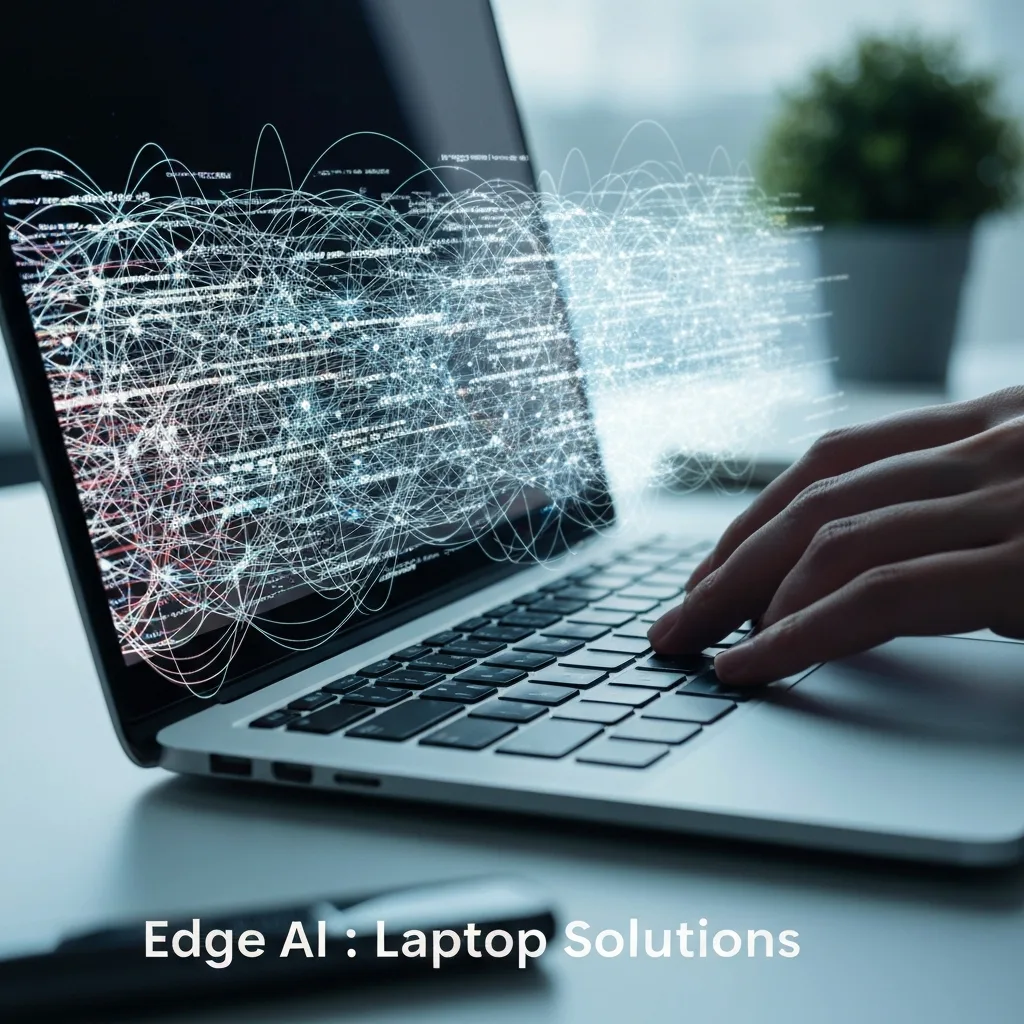
– Edge AI Processing: Faster, localized data analysis on personal devices.
FAQ
What consumer tech is essential for modern academic research?
Essential consumer tech for modern academic research includes powerful smartphones, versatile tablets and e-readers, AI-integrated devices, ergonomic accessories, and reliable cloud storage solutions. These tools collectively streamline literature review, data collection, analysis, and overall workflow efficiency, consequently enabling researchers to maximize productivity and maintain well-being during intensive study periods. The demand for integrated and mobile research capabilities drives the adoption of these devices.
How can smartphones enhance my academic research workflow?
Smartphones enhance academic research workflows by providing mobile access to literature, facilitating on-the-go data capture, and offering powerful organizational apps. Researchers leverage mobile apps for annotation, use high-resolution cameras for documenting lab work, and employ voice recorders for interviews. This mobility means scholarly work is not confined to a desktop, which significantly boosts flexibility and responsiveness, driven by the need for continuous access.
Are tablets effective for reading and annotating research papers?
Yes, tablets are highly effective for reading and annotating research papers, particularly when paired with digital pens. Their larger screens offer a comfortable reading experience, while stylus support allows for precise highlighting, note-taking, and markup directly on PDFs. This capability transforms tablets into portable, interactive research libraries, consequently streamlining the review process and enhancing engagement with academic texts, driven by their versatile functionality.
Which AI features in consumer devices aid literature reviews?
AI features in consumer devices that aid literature reviews include AI-powered summarization tools, smart search functions, and advanced speech-to-text transcription. These features rapidly process vast amounts of text, extract key findings, and convert spoken notes into written form, consequently saving researchers significant time. This efficiency is crucial because it allows academics to focus more on critical analysis rather than manual data sifting, driven by the demand for rapid information synthesis.
What are the best note-taking apps for researchers using consumer tech?
The best note-taking apps for researchers using consumer tech offer cross-device synchronization, robust organization features, and support for various media types (text, images, audio). Popular choices include apps that integrate with cloud storage and reference managers, ensuring notes are always accessible and linked to relevant sources. This seamless integration means researchers maintain cohesive and easily retrievable information, which is critical for complex, multi-stage projects, driven by the need for efficient information management.
How can wearable technology improve a researcher’s well-being and productivity?
Wearable technology improves a researcher’s well-being and productivity by monitoring health metrics, promoting physical activity, and aiding focus management. Smartwatches track sleep, heart rate, and stress, providing data for proactive health management. Fitness trackers encourage breaks and movement, while biofeedback tools can enhance concentration. This holistic approach helps mitigate the physical and mental strain of long study sessions, consequently supporting sustained high performance.
What kind of consumer tech is best for managing large research datasets?
For managing large research datasets, consumer tech like high-performance laptops with ample RAM and SSD storage, coupled with robust cloud storage solutions, are best. Laptops provide the processing power for data analysis software, while cloud services offer secure, scalable storage and cross-device synchronization. This combination ensures data integrity, accessibility, and efficient processing, which is critical for handling extensive information, driven by the computational demands of modern research.
How do digital pens and e-readers streamline academic work?
Digital pens and e-readers streamline academic work by enabling precise, active annotation and portable access to extensive academic libraries. E-readers offer eye-friendly displays for long reading sessions, while digital pens allow researchers to highlight, underline, and write notes directly on digital documents. This combination transforms passive reading into an interactive process, consequently enhancing comprehension and organization, driven by the demand for flexible and engaging scholarly engagement.
What are the privacy considerations when using consumer tech for research?
Privacy considerations when using consumer tech for research include securing sensitive data, understanding app permissions, and protecting intellectual property. Researchers must implement strong passwords, use two-factor authentication, encrypt devices, and utilize VPNs when accessing confidential information. This diligence is crucial because personal devices often handle proprietary data, which means neglecting privacy can lead to severe data breaches and compromise academic integrity, driven by the increasing digital footprint of research.
Can voice assistants truly help with quick research queries?
Yes, voice assistants can significantly help with quick research queries by providing instant access to definitions, facts, and basic information without interrupting workflow. They enable hands-free operations in labs or during writing, allowing researchers to set reminders or look up quick details verbally. This immediate retrieval means researchers maintain concentration on primary tasks, consequently boosting efficiency and responsiveness, driven by the convenience of spoken commands.
Limitations & Alternatives: Balancing Consumer Tech with Academic Rigor
While consumer tech offers undeniable advantages for academic research, it is crucial to acknowledge its limitations. Relying solely on consumer-grade devices for highly sensitive or large-scale data processing can pose security risks and may lack the robust computational power of specialized workstations. For instance, advanced statistical analysis or molecular simulations often require dedicated hardware and software that consumer laptops cannot replicate. This limitation means researchers must carefully assess the computational demands of their projects before exclusively adopting personal devices.
Furthermore, the ‘walled garden’ ecosystems of some consumer tech can restrict interoperability, making data transfer or software integration challenging. This can lead to workflow inefficiencies when switching between platforms or collaborating with others using different systems. Consequently, while AI features in consumer devices are powerful, they are typically general-purpose; specialized AI tools designed for specific scientific domains often offer greater precision and functionality. Alternatives include institutional-grade computing clusters, secure university-provided cloud storage, and domain-specific software licenses. Therefore, researchers must balance the convenience and accessibility of consumer tech with the necessity for academic rigor, security, and specialized computational capabilities, driven by the inherent differences between consumer and professional-grade solutions.
Conclusion: The Indispensable Role of Consumer Tech in Modern Research
The integration of consumer tech has fundamentally reshaped academic research, moving beyond mere convenience to become an indispensable component of modern scholarly workflows. From enhancing research productivity with smartphones and tablets to fostering well-being with wearables and streamlining data management with cloud solutions, these devices offer significant enhancements. The rise of AI features within consumer tech further accelerates literature review and analysis, consequently driving efficiency and accuracy.
As technology continues to evolve, the role of consumer tech for academic research will only deepen, promising further innovations in scientific discovery. Encouraging the adoption of smart, ethical tech practices ensures that researchers can harness these powerful tools responsibly. For more expert insights into technology trends and reviews that help you navigate this evolving landscape, read more on The Tech ABC.
References
- Stanford Institute for Human-Centered Artificial Intelligence (HAI), https://hai.stanford.edu/
- European Journal of Engineering and Computer Sciences, https://www.ejecs.org/
- National Institute of Standards and Technology (NIST), https://www.nist.gov/artificial-intelligence
- National Science Foundation (NSF), https://www.nsf.gov/
- Cybersecurity and Infrastructure Security Agency (CISA), https://www.cisa.gov/
- arXiv, https://arxiv.org/
- International Journal of Technology in Education, https://ijtie.com/
- Lawfare, https://www.lawfaremedia.org/