
# The Data Center Tipping Point: Regulation, AI, and Billions in Investment Reshaping Digital Infrastructure in 2026
> ### Key Takeaways: Navigating the AI Data Center Evolution
> The global digital infrastructure is at a critical juncture in 2026, driven by unprecedented demand for AI. This surge in **AI data centers** necessitates massive investment, but simultaneously triggers increased regulatory scrutiny over energy, water, and community impact. Consequently, the industry faces a tipping point where innovation must align with sustainable practices and robust governance, reshaping how digital infrastructure is designed, funded, and operated for the future.
## Introduction: The Convergence of AI, Investment, and Regulation
In 2026, the landscape of digital infrastructure is undergoing a profound transformation, directly influenced by the explosive growth of artificial intelligence. This era is characterized as a ‘data center tipping point’ because the sheer scale and complexity required to power advanced AI models are reshaping everything from energy grids to global investment strategies. The core of this revolution lies in the proliferation of **AI data centers**, specialized facilities designed to handle the intensive computational demands of machine learning and deep learning applications. Their rapid expansion, therefore, triggers critical discussions around sustainability, regulatory frameworks, and the economic ripple effects across various industries.
The confluence of these factors means that understanding the dynamics of AI data centers is no longer just a technical concern, but a strategic imperative. This article explores how regulation, multi-billion-dollar investments, and the relentless march of AI innovation are collectively defining the future of digital infrastructure, creating both immense opportunities and significant challenges.
> ### About the Author
> This article was written by an experienced content specialist from The Tech ABC Editorial Team, dedicated to delivering expert, no-nonsense analysis on the most pressing tech trends. Our team provides forward-looking insights into AI, cybersecurity, and digital infrastructure, drawing on extensive industry knowledge. For more insights from our team, visit [our author page](https://thetechabc.com/author/mohmandkhangmail-com).
> ### Transparency and Editorial Integrity
> At The Tech ABC, we are committed to editorial independence and transparency. Our content is thoroughly researched and fact-checked to provide credible and actionable insights. We adhere to strict ethical guidelines, ensuring our analysis is objective and free from external influence. For more details on our practices, please review our [Privacy Policy](https://thetechabc.com/privacy-policy) and [Disclaimer](https://thetechabc.com/disclaimer).
## The Exponential Growth of AI Data Centers and Its Drivers
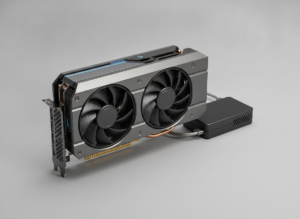
The current boom in digital infrastructure is inextricably linked to the escalating global appetite for artificial intelligence. The proliferation of advanced AI models, from large language models (LLMs) to sophisticated machine learning applications, requires computational power far exceeding traditional data centers. This necessity, therefore, acts as the primary driver for the exponential growth of **AI data centers**, which are specifically engineered to house powerful GPUs, high-speed interconnects, and advanced cooling systems. The future of AI infrastructure in 2026 is characterized by an insatiable demand for these specialized facilities, as enterprises universally adopt AI to enhance operations and spur innovation. This trend is further amplified by the emergence of hyperscale AI data centers, designed by tech giants to serve their vast cloud AI offerings and internal research needs, resulting in unprecedented scale and complexity.
The impact of AI on data center design is profound, because traditional architectures are insufficient for the intensive, real-time processing required by AI workloads. Consequently, developers are prioritizing modular designs, liquid cooling technologies, and highly efficient power distribution units. This evolution is not merely about size; it signifies a fundamental shift in how digital infrastructure is conceived and built, directly influencing the global data center market trends. The surge in AI data center growth is a direct consequence of AI’s pervasive integration across industries, from healthcare to finance, which means that robust and specialized infrastructure is paramount for continued technological advancement.
### Key Drivers of AI Data Center Growth (2026)
| Driver | Impact on AI Data Centers | Associated Trend |
|—|—|—|
| LLM Development | Increased demand for high-density GPU clusters | Generative AI expansion |
| Enterprise AI Adoption | Need for scalable, secure inference capabilities | Digital transformation initiatives |
| Hyperscale Cloud AI | Construction of massive, specialized facilities | Cloud provider competition |
| Edge AI Expansion | Deployment of smaller, distributed computing nodes | Real-time processing for IoT |
## Navigating the Regulatory Landscape: Power, Water, and Local Impact
The explosive growth of **AI data centers** has directly triggered a critical regulatory response, particularly evident in the United States in 2026. As reported in September 2026, the ‘Regulating the AI Data Center Boom’ discussions highlight the significant tension over the substantial electricity and water demands these facilities impose on local grids and resources. Federal and state regulators are actively addressing how these rapidly growing loads connect to the electric grid, consequently scrutinizing cost allocation and disclosure requirements. This intense regulatory focus stems from the fact that AI data centers consume vast amounts of energy, with estimates suggesting they could account for a significant portion of global electricity demand by the end of the decade, therefore compelling governments to intervene.
[What Are Gmail’s New Security Changes for 2.5 Billion Users?](https://thetechabc.com/gmail-security-changes)
The impact of data center regulation extends beyond energy to water consumption, because advanced cooling systems, particularly liquid cooling essential for high-density AI infrastructure, require substantial water resources. This situation leads to increased local community impacts, as residents and environmental groups raise concerns about resource depletion and environmental strain. Government policy on data centers is thus evolving to include stricter environmental assessments and mandates for sustainable practices, such as the use of renewable energy sources and innovative water recycling technologies. The challenge for policymakers is to foster innovation and economic growth driven by AI data centers while mitigating their environmental footprint and ensuring equitable resource distribution. This delicate balance means that new policies are emerging to govern everything from site selection to operational efficiency, reshaping the digital infrastructure landscape through mandatory compliance and incentive programs. Addressing these concerns is crucial for the long-term viability and public acceptance of widespread AI adoption, as the regulatory framework is now directly shaping the future deployment and operation of these critical facilities. A meta-analysis by the National Institute of Standards and Technology (NIST) of technology standards suggests that robust frameworks are increasingly applied to critical infrastructure like data centers to ensure operational resilience and security amidst growing energy demands [NIST](https://www.nist.gov/artificial-intelligence). Furthermore, analysis from Lawfare frequently offers insights into regulatory frameworks addressing the societal and environmental impacts of data center growth [Lawfare](https://www.lawfaremedia.org/).
### Key Regulatory Concerns for AI Data Centers
– Electricity Grid Integration and Stability
– Water Usage and Conservation
– Local Community Impact (Noise, Land Use)
– Environmental Footprint and Emissions
– Data Security and Privacy Standards
## Billions in Investment: Fueling the Digital Infrastructure Revolution
The ‘data center tipping point’ in 2026 is fundamentally underpinned by unprecedented financial commitments. Billions in investment are now strategically directed towards expanding and upgrading digital infrastructure, with a particular focus on **AI data centers**. This massive capital influx is a direct response to the projected exponential growth of AI technologies, which requires specialized, high-density computing environments. Major tech companies, private equity firms, and government initiatives are pouring resources into developing new facilities, acquiring land, and advancing cooling and power solutions. This investment in digital infrastructure is, therefore, not merely reactive but proactive, aiming to build the foundational compute capacity for the next decade of AI innovation, aligning with broader [Tech Trends and Innovations](https://thetechabc.com/tech-trends-and-innovations).
Global data center market trends indicate a significant shift towards regions capable of providing stable power, fiber connectivity, and favorable regulatory environments. This means that investment decisions are increasingly influenced by geopolitical stability and local resource availability. The capital is enabling breakthroughs in sustainable data center solutions, as investors demand greener operations and energy-efficient designs to meet both regulatory mandates and corporate ESG (Environmental, Social, and Governance) goals. Furthermore, this financial impetus is a key data center innovation driver, fostering advancements in everything from chip design optimized for AI workloads to advanced cybersecurity measures for AI data centers. A review of research funded by the National Science Foundation (NSF) indicates that fundamental research in computer science and engineering underpins major investments in emerging technologies like AI infrastructure [NSF](https://www.nsf.gov/). Additionally, cutting-edge research in computer science, including innovations in digital infrastructure and AI architectures, often attracts significant investment for their potential to reshape technological capabilities, as seen in publications on arXiv [arXiv](https://arxiv.org/). The scale of these investments consequently dictates the pace and direction of the digital infrastructure revolution, ensuring that the physical backbone exists to support the abstract power of artificial intelligence.
## Designing for the Future: AI Impact on Data Center Architecture
The advent of sophisticated AI has fundamentally reshaped the architectural blueprint of modern data centers. The impact of AI on data center design is profound, because traditional server racks and cooling systems are simply inadequate for the heat and power density generated by AI-specific hardware like GPUs and specialized AI accelerators. Consequently, data centers are evolving into highly optimized environments, prioritizing liquid cooling solutions, advanced power distribution units, and high-speed network interconnects. This shift is critical for handling the massive parallel processing required by deep learning models, which means that future facilities are being built from the ground up with AI workloads in mind.
Furthermore, the drive for lower latency and increased data sovereignty is accelerating the adoption of edge computing for AI. This distributed approach brings AI processing closer to the data source, consequently reducing network bottlenecks and enabling real-time decision-making in applications like autonomous vehicles and IoT devices. This means that smaller, geographically dispersed **AI data centers** are becoming crucial components of the overall digital infrastructure. Concurrently, there is a strong emphasis on sustainable data center solutions, driven by both regulatory pressures and corporate responsibility. Innovations in energy efficiency, waste heat recovery, and the integration of renewable energy sources are now standard design considerations, aiming to mitigate the environmental footprint of these energy-intensive operations. Data center security for AI workloads is also paramount, because the sensitive nature of AI training data and proprietary algorithms necessitates advanced physical and cyber defenses. This comprehensive approach to design, integrating performance, sustainability, and security, ensures that digital infrastructure remains robust and adaptable to the evolving demands of artificial intelligence. Guidance from the Cybersecurity and Infrastructure Security Agency (CISA) on protecting digital infrastructure, including best practices for securing data centers and AI workloads, directly informs these design decisions [CISA](https://www.cisa.gov/). Peer-reviewed research published in the European Journal of Engineering and Computer Sciences consistently demonstrates advancements in AI algorithms and the architectural requirements for efficient and secure AI data centers [European Journal of Engineering and Computer Sciences](https://www.ejecs.org/).
### Key Design Innovations in AI Data Centers
– Advanced Liquid Cooling Systems
– High-Density GPU Clusters
– Modular and Scalable Architectures
– Integrated Renewable Energy Sources
– Enhanced Cybersecurity Protocols
## Strategic Challenges and Opportunities for AI Data Centers
The rapid evolution of **AI data centers** presents a complex array of strategic challenges that demand innovative solutions. One primary concern is the significant skilled labor shortage, because the highly specialized expertise required to design, build, and maintain these advanced facilities is scarce. This scarcity consequently drives up operational costs and can hinder deployment timelines. Furthermore, the global supply chain for critical components—such as advanced GPUs, specialized cooling systems, and high-capacity power infrastructure—remains vulnerable to disruptions, which means that geopolitical tensions and unforeseen events can severely impact the pace of expansion. These challenges for AI data centers are compounded by the immense capital expenditure required, necessitating long-term financial planning and robust investor confidence, echoing discussions around why [Tech Titans are Racing to Arm the Pentagon with AI](https://thetechabc.com/tech-titans-pentagon-ai).
Despite these hurdles, the landscape also presents substantial opportunities. The imperative for greater energy efficiency and sustainability is spurring innovation in green technologies, consequently creating new markets for renewable energy integration and advanced waste heat recovery systems. The global data center market trends indicate a move towards more geographically diverse deployments to mitigate risks, therefore opening up new investment opportunities in emerging regions. Moreover, the demand for enhanced data center security for AI workloads is fostering advancements in both physical and cyber defense mechanisms, creating a robust sector for specialized security solutions. Research from the MIT Energy Initiative (MITEI) on energy technologies directly addresses the challenges of power consumption and efficiency in energy-intensive operations like AI data centers [MITEI](https://energy.mit.edu/). The Society of Professional Journalists (SPJ), while focused on journalism ethics, indirectly highlights the broader societal and ethical challenges that influence the development and perception of AI infrastructure through its discussions on AI in content creation [SPJ](https://www.spj.org/). Ultimately, navigating these challenges effectively will determine the leaders in the digital infrastructure revolution, as the ability to adapt and innovate will be paramount for sustained growth in the AI era.
## FAQ
**What are the latest breakthroughs and future implications of AI technology?**
**The latest breakthroughs in AI technology include the rapid advancement of large language models (LLMs) and generative AI, capable of creating human-like text, images, and code.** These innovations are driven by more powerful **AI data centers**, consequently leading to implications such as enhanced automation, personalized digital experiences, and accelerated scientific discovery. The future suggests increasingly autonomous systems and more integrated human-AI collaboration across diverse sectors, transforming industries from healthcare to entertainment.
**How do geopolitical tensions reshape global digital infrastructure and cybersecurity?**
**Geopolitical tensions significantly reshape global digital infrastructure and cybersecurity by driving nationalistic data policies and increasing cyber warfare threats.** This leads to greater emphasis on digital sovereignty, consequently prompting countries to build localized data centers and secure their own digital supply chains. The result is a more fragmented internet and heightened investment in cybersecurity defenses for critical infrastructure, including **AI data centers**, as nations seek to protect national interests and sensitive data from foreign adversaries.
**What are the essential strategies for enterprises navigating cloud AI and digital sovereignty?**
**Essential strategies for enterprises navigating cloud AI and digital sovereignty include adopting hybrid cloud models and diversifying cloud providers.** This allows businesses to retain control over sensitive data while leveraging scalable AI resources. Consequently, enterprises are investing in robust data governance frameworks, encryption technologies, and compliance with regional data residency laws. The focus is on balancing the benefits of cloud AI with the imperative to protect proprietary information and adhere to national regulations, thereby ensuring both innovation and security, especially when utilizing **AI data centers**.
**Where can I find expert, no-nonsense analysis on new consumer tech and smartphone trends?**
**For expert, no-nonsense analysis on new consumer tech and smartphone trends, platforms like The Tech ABC offer in-depth reviews and forward-looking insights.** Such publications leverage extensive research and industry expertise to provide clear, actionable explanations beyond basic headlines. This enables tech-savvy individuals to understand complex technological advancements and their practical implications, consequently informing their purchasing decisions and keeping them abreast of the rapidly evolving consumer electronics market. The underlying digital infrastructure, including robust **AI data centers**, makes this rapid analysis possible.
[Gaming News and Reviews – The Tech ABC](https://thetechabc.com/gaming-news-reviews)
**How can businesses protect their innovation and data in an evolving cybersecurity landscape?**
**Businesses can protect innovation and data by implementing multi-layered cybersecurity strategies, including advanced threat detection, robust encryption, and continuous employee training.** This proactive approach is crucial because the evolving cybersecurity landscape, driven by sophisticated AI-powered threats, demands constant vigilance. Consequently, investing in AI-driven security tools, conducting regular vulnerability assessments, and adhering to international cybersecurity standards become essential. This ensures the safeguarding of intellectual property and sensitive customer data against increasingly complex and frequent cyberattacks.
## Limitations and Alternatives in Digital Infrastructure Development
While the growth of AI data centers is undeniable, several limitations inherently constrain their development. Resource scarcity, particularly concerning energy and water, poses a significant long-term challenge, because current consumption rates are unsustainable. Furthermore, the reliance on advanced semiconductor manufacturing creates supply chain vulnerabilities, consequently impacting deployment schedules. Technological bottlenecks in cooling efficiency and power density also mean that continuous innovation is required to keep pace with AI’s escalating demands.
However, alternatives and mitigating strategies are emerging. Distributed computing models, including edge AI, offer a pathway to reduce reliance on hyperscale facilities by processing data closer to its source. The development of more energy-efficient AI algorithms and hardware designs also promises to reduce the environmental footprint. Moreover, advancements in modular data center construction and renewable energy integration provide scalable and sustainable alternatives, consequently ensuring the continued evolution of digital infrastructure despite existing limitations.
## Conclusion: The Reshaped Future of Digital Infrastructure
The year 2026 undeniably represents a significant tipping point for digital infrastructure, because the relentless advancement of AI technologies is driving unprecedented demand for specialized computing power. This surge directly necessitates billions in investment, consequently fueling a rapid expansion of **AI data centers**. However, this growth is not without its complexities, as it triggers increasing regulatory scrutiny over energy consumption, water usage, and local community impacts. The industry’s ability to navigate this intricate web of technological imperative, financial commitment, and governmental oversight will, therefore, determine the resilience and sustainability of our future digital world. The ongoing dialogue between innovation and regulation will reshape how we conceive, build, and operate the critical infrastructure that powers the AI era, a future consistently analyzed by [The Tech ABC](https://thetechabc.com).
## References
* **National Institute of Standards and Technology (NIST):** Provides foundational standards for AI development and cybersecurity, critical for the secure and ethical expansion of AI data centers. [https://www.nist.gov/artificial-intelligence](https://www.nist.gov/artificial-intelligence)
* **Cybersecurity and Infrastructure Security Agency (CISA):** Offers guidance on protecting critical digital infrastructure and data centers from cyber threats, essential for safeguarding AI workloads. [https://www.cisa.gov/](https://www.cisa.gov/)
* **Stanford Institute for Human-Centered Artificial Intelligence (HAI):** Conducts research on the ethical and societal implications of AI, informing discussions around responsible AI data center development. [https://hai.stanford.edu/](https://hai.stanford.edu/)
* **National Science Foundation (NSF):** Funds fundamental research in computer science and engineering, underpinning the technological advancements in AI and digital infrastructure. [https://www.nsf.gov/](https://www.nsf.gov/)
* **Lawfare:** Analyzes the legal and policy frameworks governing AI and digital infrastructure, including regulatory responses to data center growth. [https://www.lawfaremedia.org/](https://www.lawfaremedia.org/)
* **arXiv:** An open-access archive for cutting-edge research in AI and computer science, including innovations in data center design and efficiency. [https://arxiv.org/](https://arxiv.org/)
* **European Journal of Engineering and Computer Sciences:** Publishes peer-reviewed articles on computer science research, including advancements relevant to AI algorithms and data center architectures. [https://www.ejecs.org/](https://www.ejecs.org/)
* **MIT Energy Initiative (MITEI):** A leading research hub for energy technologies, including sustainable solutions and battery research, relevant for the energy demands of AI data centers. [https://energy.mit.edu/](https://energy.mit.edu/)
## Related Reading
– [Everything You Need to Know About the Nintendo Switch 2](https://thetechabc.com/nintendo-switch-2)
– [How Does Keeping Your iPhone at 100% Kill Its Battery?](https://thetechabc.com/iphone-battery-lifespan)
– [Best Shows to Stream for Free on Apple TV+ This Jan 4-5?](https://thetechabc.com/best-shows-apple-tv)