

Table of Contents
- Introduction: The Complex Landscape of Consumer Tech Spending in 2026
- The Bifurcated Landscape of Consumer Tech Spending 2026
- US Consumer Tech Spending Forecasts 2026-2028
- Credit Card Debt's Stranglehold: Understanding the $1.26 Trillion Impact on Tech Purchases
- Income Disparity and Discretionary Tech Spending: A K-Shaped Reality
- Key Tech Categories in 2026: Where Consumers are Still Spending
- Top Consumer Tech Spending Priorities in 2026
- PCs: The Unexpected Bright Spot in a Value-Driven Market
- Smartphones and Wearables: Selective Upgrades and Replacement Cycles
- Inflation and AI's Influence on Tech Affordability and Consumer Choices
- Navigating Spending: Strategies for Consumers and Tech Businesses
- Strategies for Navigating Tech Spending in 2026
- FAQ
- Limitations & Alternatives in Consumer Tech Spending Forecasts
- Conclusion: Adapting to the New Reality of Consumer Tech Spending in 2026
- References
- Related Reading
In consumer tech spending 2026, a K-shaped market persists, with higher-income households driving growth while lower- and middle-income consumers face constraints from rising credit card debt and flattened disposable income. U.S. consumer tech spending is projected for modest growth (1-3.7%), with selective purchases prioritizing value and essential upgrades like PCs, while inflation and AI costs further shape affordability and buying patterns.
Introduction: The Complex Landscape of Consumer Tech Spending in 2026
The year 2026 presents a nuanced picture for consumer tech spending. While overall demand for technology continues to grow, it does so within a bifurcated, or K-shaped, market. This means that higher-income households are largely fueling new purchases and upgrades, while lower- and middle-income consumers navigate significant financial constraints. This article delves into the dynamics of consumer tech spending 2026, examining how factors like soaring credit card debt, persistent inflation, and the pervasive influence of AI are collectively shaping purchasing decisions and market trajectories. We explore key spending categories and offer strategic insights for both consumers and businesses operating within this evolving economic environment.
The Bifurcated Landscape of Consumer Tech Spending 2026
The landscape of consumer tech spending 2026 is marked by a significant bifurcation, often described as a K-shaped consumer market. This phenomenon, driven by widening income disparities, means that spending patterns diverge sharply across different socioeconomic groups. Higher-income households continue to demonstrate a strong appetite for new devices and upgrades, supporting much of the market’s growth. Conversely, lower- and middle-income consumers are increasingly value-sensitive, with their purchasing power constrained by flattened real disposable income and rising living costs [1, 9]. As a result, the market sees concentrated growth rather than broad-based demand, which means tech businesses must adapt their strategies to cater to diverse financial realities across their customer base. Deloitte’s 2025 Connected Consumer Survey highlighted this divide, with 29% of US households planning to increase device spending, while 24% expected to cut back, a clear indication of this split-market recovery [1, 6]. For more comprehensive insights into the broader technology landscape, visit The Tech ABC.
Overall, U.S. consumer tech spending is expanding, but only modestly. Deloitte projects U.S. consumer tech spending to reach $565 billion in 2026, representing a 3.7% increase, after global consumer-tech spending saw approximately 3% growth in 2025 to $1.3 trillion [1]. In contrast, Circana’s 2026 outlook is more conservative, forecasting about 1% growth in U.S. consumer technology sales revenue, with similar low positive growth expected through 2028 [5]. This divergence in forecasts underscores the uncertainty and segmented nature of the market, where different segments experience vastly different economic pressures and opportunities. Stay informed on the latest trends in consumer electronics and tech with What’s Hot Archives.
US Consumer Tech Spending Forecasts 2026-2028
| Source | 2026 US Spending (Billion $) | 2026 US Growth (%) | 2027/2028 Outlook |
|---|---|---|---|
| Deloitte | $565 | 3.7% | Not stated |
| Circana | Not stated | ~1% | Positive but below 1% |
Credit Card Debt’s Stranglehold: Understanding the $1.26 Trillion Impact on Tech Purchases
The escalating burden of credit card debt stands as a critical restraint on consumer tech demand in 2026. Recent reports indicate that US credit card debt climbed to a staggering $1.26 trillion in the second quarter of 2026, marking a $21 billion increase from the previous quarter and nearing previous record highs [News Context]. This significant financial overhang directly impacts discretionary spending, forcing many households to prioritize essential goods and services over non-essential tech upgrades. The consequence of this rising debt is a more cautious consumer base, where purchasing decisions are driven by necessity and value rather than impulse.
High credit card debt affects tech purchases by limiting available disposable income and increasing financial risk aversion. Consumers, particularly those in lower- and middle-income brackets, are less likely to invest in new smartphones, laptops, or other gadgets when faced with substantial monthly debt repayments. This dynamic means that even when nominal income and spending appear stable, a large segment of the population remains financially stretched. As a result, consumers are favoring replacement purchases, value brands, and increasingly turning to installment-style financing options over broad discretionary splurges [5, 9]. This shift in buying behavior demonstrates a direct link to the broader trends in consumer tech spending 2026, emphasizing the need for tech companies to offer flexible payment solutions and focus on long-term value propositions to capture market share. The impact of credit card debt on consumer behavior is a cause of reduced new tech adoption and a driver of extended upgrade cycles. For more information on financial considerations and content disclaimers, refer to our Disclaimer.
Income Disparity and Discretionary Tech Spending: A K-Shaped Reality
The K-shaped economic recovery has solidified into a K-shaped reality for discretionary tech spending, with profound implications for household income tech purchases 2026. This pattern signifies a widening gap: higher-income households are experiencing robust financial health, allowing them to continue investing in premium and emerging technologies, which means they are less affected by economic headwinds. Conversely, lower-income households face stagnant real disposable income and rising living costs, which consequently restricts their ability to make significant tech purchases [1, 9].
This disparity creates distinct higher income tech spending habits compared to lower income tech purchasing trends. Affluent consumers are driving demand for high-end devices, AI-integrated solutions, and subscription services, often viewing these as essential for productivity or lifestyle enhancement. Meanwhile, value-sensitive consumers prioritize durability, affordability, and essential upgrades, often delaying purchases or opting for refurbished or budget-friendly alternatives. The effect of this income chasm is a fragmented market where tech companies must cater to vastly different consumer needs and financial capacities. Equifax notes that real disposable income growth has flattened off at zero for many, implying that lower-income households require stronger income growth to sustain their spending levels, which consequently impacts overall market expansion [9]. This K-shaped reality deeply influences consumer tech spending 2026, making it critical for businesses to understand and respond to these divergent market forces. Learn more about our mission and expertise on our About Us page.
Key Tech Categories in 2026: Where Consumers are Still Spending
Despite economic pressures, certain key tech categories in 2026 continue to attract significant consumer spending, driven by necessity, innovation, or evolving lifestyle needs. The 2026 consumer electronics forecast highlights selective investments, with particular strength in areas that offer tangible value or address critical user requirements. This results in targeted growth within specific product segments, even as overall discretionary spending remains constrained. This section explores the areas revealing where the remaining consumer tech spending 2026 is concentrated.
Top Consumer Tech Spending Priorities in 2026
- Notebook PCs: Driven by hybrid work and educational needs.
- Smartphones: Focused on essential replacements and selective upgrades.
- Wearables: Growth in health and fitness tracking devices.
- AI-integrated devices: Early adoption among higher-income segments.
- Value-driven accessories: Essential peripherals and budget-friendly components.
PCs: The Unexpected Bright Spot in a Value-Driven Market
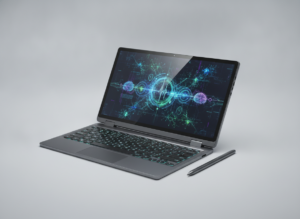
In a market characterized by selective spending, PCs are emerging as an unexpected bright spot, contributing significantly to PCs sales growth 2026. Circana reports that notebook PCs are expected to be the largest contributor to U.S. consumer-tech growth in 2026, adding an estimated $1.7 billion in revenue from 2025 to 2026 [5]. This strong performance is primarily due to ongoing hybrid work models, educational demands, and the necessity for reliable computing power in households. PCs are approaching nearly 20% of total U.S. consumer-tech revenue, marking their highest share since 2021, which means consumers are prioritizing functional and essential devices [5]. The PC market share 2026 reflects a pivot towards utility and longevity, as consumers seek devices that support productivity and entertainment for extended periods, rather than frequent upgrades. This trend underscores the enduring importance of personal computing in daily life, even amidst broader economic caution.
Smartphones and Wearables: Selective Upgrades and Replacement Cycles
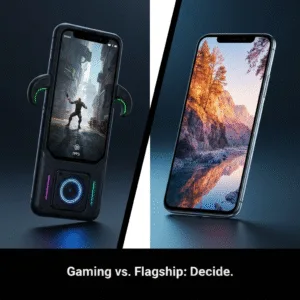
The smartphone upgrade cycle 2026 is lengthening, driven by both economic constraints and the incremental nature of new features. Consumers are holding onto their devices for longer, making upgrades only when absolutely necessary or when a significant technological leap justifies the investment. This trend results in a market focused on essential replacements rather than widespread discretionary upgrades. For wearables, spending in 2026 is seeing more selective growth, particularly in health and fitness tracking devices that offer tangible benefits and integrate seamlessly into existing digital ecosystems. While demand for high-end flagship smartphones persists among higher-income segments, the broader market is leaning towards mid-range devices and value-oriented options. The effect is a more discerning consumer base that evaluates the cost-benefit of each tech purchase carefully, which means manufacturers must innovate with compelling features and competitive pricing to stimulate demand. Explore more on Smartphones and Mobile Technology and our Know How Archives.
Inflation and AI’s Influence on Tech Affordability and Consumer Choices
Inflation continues to exert significant pressure on tech affordability for consumers in 2026, leading to a more cautious purchasing environment. Guggenheim reports that core PCE inflation has been elevated throughout 2026, with year-over-year core PCE expected to end the year above 3% [3]. This persistent inflation, partly fueled by technology goods and energy-related cost spillovers, directly impacts household budgets, which means consumers have less real disposable income for non-essential tech purchases. The inflation effect tech spending 2026 is thus a reduction in purchasing power and an increased focus on value.
Simultaneously, the widespread integration of AI is having a dual impact on consumer tech costs. While AI advancements promise enhanced functionality and efficiency, the significant investment by tech firms in AI development—estimated at $1 trillion—is being passed on to consumers through higher prices for AI-integrated devices and services [4, 10]. This AI impact consumer tech costs by making cutting-edge technology more expensive, which consequently creates a barrier for many consumers. Goldman Sachs estimated that AI-related crowding-out and price effects would shave about 0.1 percentage points off 2026 GDP growth, indicating a subtle yet pervasive influence on the broader economy and consumer spending capacity [10]. Therefore, the interplay of inflation and AI costs compels consumers to be more strategic and selective in their tech investments. Discover more about Artificial Intelligence, including models like Llama 4 and its applications in areas like AI in Healthcare.
Navigating Spending: Strategies for Consumers and Tech Businesses
In this challenging economic climate, both consumers and tech businesses must adopt strategic approaches to navigate the complexities of tech spending in 2026. For consumers, managing credit debt for tech buys is paramount. This involves prioritizing needs over wants, researching value-sensitive tech consumers 2026 options, and exploring financing tech purchases 2026 carefully. Responsible use of installment plans and ‘buy now, pay later’ schemes can offer flexibility, but only if managed prudently to avoid exacerbating debt burdens.
Tech businesses, on the other hand, must adapt their offerings to meet evolving consumer demands. This means focusing on value propositions, extended device lifespans, and flexible pricing models. Emphasizing durability, repairability, and post-purchase support can attract value-conscious buyers. Furthermore, developing more affordable AI-integrated solutions and clear communication about the long-term benefits of their products can help overcome price resistance. By understanding the financial realities of their target audience, businesses can foster loyalty and sustain growth even in a bifurcated market. For tips on device maintenance, refer to guides like How to Calibrate Your iPhone 16 Pro Max Battery for Longer Lifespan, and for security, Is Your 2024 Password Just a Joke? Hackers Think So!.
Strategies for Navigating Tech Spending in 2026
- Consumers: Prioritize needs, research value options, manage debt, and use financing responsibly.
- Businesses: Focus on value, extend device lifespans, offer flexible pricing, and communicate benefits of AI integration.
- Both: Adapt to the K-shaped market by understanding diverse financial capacities and needs.
FAQ
What is the current US credit card debt in 2026?
US credit card debt reached $1.26 trillion in the second quarter of 2026, marking a $21 billion increase from the previous quarter. This figure nears previous record highs, indicating a significant financial burden on American households that directly impacts their discretionary spending on consumer goods, including technology purchases [News Context].
How does high credit card debt affect consumer tech purchases in 2026?
High credit card debt limits disposable income, which consequently reduces consumers’ ability to make new tech purchases or upgrade existing devices. This financial constraint leads to longer upgrade cycles and a preference for essential, value-driven items, or the use of installment plans, rather than broad discretionary splurges [5, 9].
Which tech products are US consumers prioritizing in 2026?
US consumers are prioritizing essential and value-driven tech products in 2026. Notebook PCs are a significant focus due to hybrid work and education needs, representing the largest contributor to growth. Smartphones and wearables see selective upgrades, with consumers holding onto devices longer or opting for mid-range options [5].
What is the K-shaped recovery in tech spending and its implications for 2026?
The K-shaped recovery signifies divergent spending patterns. Higher-income households continue to drive tech growth with discretionary purchases, while lower- and middle-income consumers face financial constraints due to flattened disposable income and debt. This implies a fragmented market where tech businesses must cater to distinct economic realities [1, 9].
How is inflation impacting tech affordability for consumers in 2026?
Inflation, particularly core PCE inflation, remains elevated in 2026, with year-over-year figures expected to exceed 3% [3]. This reduces consumers’ real purchasing power, making tech products less affordable. Consequently, consumers are more price-sensitive, seeking value and delaying non-essential tech purchases, which means affordability is a key determinant of buying decisions.
Are consumers spending more on technology in the US in 2026?
Overall, consumer tech spending 2026 is projected to see modest growth in the US. Deloitte forecasts a 3.7% increase to $565 billion, while Circana is more conservative with about 1% growth [1, 5]. However, this growth is uneven, largely driven by higher-income households, while many consumers remain selective due to financial pressures.
What are the tech spending predictions for 2027 and 2028?
Circana forecasts that U.S. consumer technology sales revenue will remain positive but below 1% for both 2027 and 2028 [5]. This suggests a continued trend of moderate growth, with consumers remaining value-conscious and economic factors like debt and inflation continuing to influence purchasing patterns in the years following 2026.
How do installment plans and financing options influence tech buying habits in 2026?
Installment plans and financing options play a crucial role in 2026 by making tech purchases more accessible, particularly for consumers facing financial constraints. These options enable purchases that might otherwise be unaffordable, which means they support demand for essential upgrades. However, responsible management is critical to avoid accumulating further debt [9].
What is the projected US consumer tech market size for 2026?
The projected US consumer tech market size for 2026 varies by source. Deloitte anticipates it will reach $565 billion, marking a 3.7% increase from the previous year [1]. Circana, however, provides a more conservative estimate, forecasting approximately 1% growth in sales revenue, indicating a market size of roughly $550 billion based on 2025 figures [5].
Gaming News and Reviews – The Tech ABC
How do AI advancements affect consumer tech prices and spending in 2026?
AI advancements contribute to higher consumer tech prices in 2026, due to the significant investments tech firms are making in AI development [4, 10]. This means AI-integrated devices can be more expensive, affecting affordability. Consequently, consumers become more selective, prioritizing AI features that offer clear, tangible benefits and justify the increased cost.
Limitations & Alternatives in Consumer Tech Spending Forecasts
Forecasting consumer tech spending is inherently complex and subject to several limitations. Economic models, while robust, cannot fully account for unforeseen global events, rapid technological disruptions, or sudden shifts in consumer sentiment. For instance, while current data points to a K-shaped market, a significant economic downturn or an unexpected tech breakthrough could alter these dynamics dramatically. Furthermore, the precise long-term impact of AI on both production costs and consumer demand remains an evolving area of study, introducing an element of uncertainty into future predictions [4, 10].
To navigate these uncertainties, consumers can adopt alternative strategies such as prioritizing essential tech, exploring refurbished markets, extending device lifespans through proper maintenance, and leveraging financing options responsibly. Businesses, conversely, should maintain agile product development cycles, diversify their market offerings to cater to both high-end and value-sensitive segments, and invest in sustainable practices that resonate with a conscientious consumer base. This adaptive approach reduces reliance on single-point forecasts and builds resilience against market volatility.
Conclusion: Adapting to the New Reality of Consumer Tech Spending in 2026
The landscape of consumer tech spending 2026 is defined by a persistent K-shaped market, where income disparity and substantial credit card debt dictate purchasing patterns. While selective growth continues in categories like PCs, the broader market is characterized by cautious, value-driven decisions influenced by inflation and the rising costs associated with AI integration. Both consumers and tech businesses must adopt strategic approaches—consumers by prioritizing needs and managing debt, and businesses by offering value and flexible solutions. Understanding these complex dynamics is crucial for navigating consumer tech spending 2026 effectively. Read more about tech trends and consumer insights on The Tech ABC.
References
* [1] Deloitte Insights: Deloitte’s 2026 Hardware and Consumer Tech Industry Outlook projects U.S. consumer tech spending to reach $565 billion in 2026, up 3.7%, and notes the K-shaped market where higher-income households drive growth. https://www.scribd.com/document/1056581824/2026-Hardware-and-Consumer-Tech-Industry-Outlook-Deloitte-Insights
* [2] Reuters: Reuters reported on July 30, 2026, that U.S. consumer spending and AI-related business investment likely supported US economic growth in the second quarter of 2026, with economists expecting 2.1% annualized growth. https://www.reuters.com/business/consumers-ai-spending-likely-supported-us-economic-growth-second-quarter-2026-07-30/
* [3] Guggenheim Investments: Guggenheim’s July 2026 Economic Outlook notes that core PCE inflation has been hot in 2026, expected to end the year above 3%, partly due to technology goods and energy-related cost spillovers. https://www.guggenheiminvestments.com/perspectives/macroeconomic-research/july-2026-economic-outlook-and-key-themes/
* [4] The Register: The Register reports on July 27, 2026, that the tech sector is pouring $1 trillion into AI, with these costs being passed on to customers, influencing AI’s impact on consumer tech prices. https://www.theregister.com/ai-and-ml/2026/07/27/tech-sector-pours-1t-into-ai-and-sends-customers-the-bill/5278845
* [5] Circana: Circana’s report on August 6, 2026, forecasts about 1% growth in U.S. consumer technology sales revenue for 2026, with PCs being the largest contributor, and projects low positive growth through 2028. https://www.financialcontent.com/article/gnwcq-2026-8-6-rising-prices-and-americans-focus-on-value-keeps-consumer-technology-revenue-growth-on-a-moderate-track-through-2028-reports-circana
* [6] Deloitte Insights: Deloitte’s Insights2Action™ discusses how AI chips away at change in tech hardware, reinforcing the split-market recovery and income-driven tech demand. https://action.deloitte.com/insight/4993/ai-chips-away-at-change-in-tech-hardware
* [8] LinkedIn (Faisal Amjad): A July 2026 analysis of the BEA June 2026 Personal Income and Outlays data showed personal income up $54.9 billion (+0.2% month over month), PCE up $65.2 billion (+0.3%), and real PCE up 0.4%, indicating households were still spending in real terms. https://www.linkedin.com/pulse/personal-income-outlays-analysis-june-2026-073026-0830-faisal-amjad-ehm4f
* [9] Equifax: Equifax’s July 2026 Market Pulse Webinar describes the consumer market as bifurcated, with flattened disposable income and rising living costs for many, reinforcing the K-shaped reality and its impact on spending. https://www.equifax.com/business/blog/-/insight/article/july-2026-market-pulse-webinar-how-the-generational-wealth-divide-and-ai-are-reshaping-2026-economic-trends/
* [10] Goldman Sachs (via Business Insider): Business Insider reported in August 2026 that Goldman Sachs estimated AI-related crowding-out and price effects would shave about 0.1 percentage points off 2026 GDP growth, indicating AI’s influence on consumer purchasing power and overall economic activity. https://www.businessinsider.com/ai-economy-impact-gdp-growth-capex-infrastructure-goldman-sachs-2026-8